

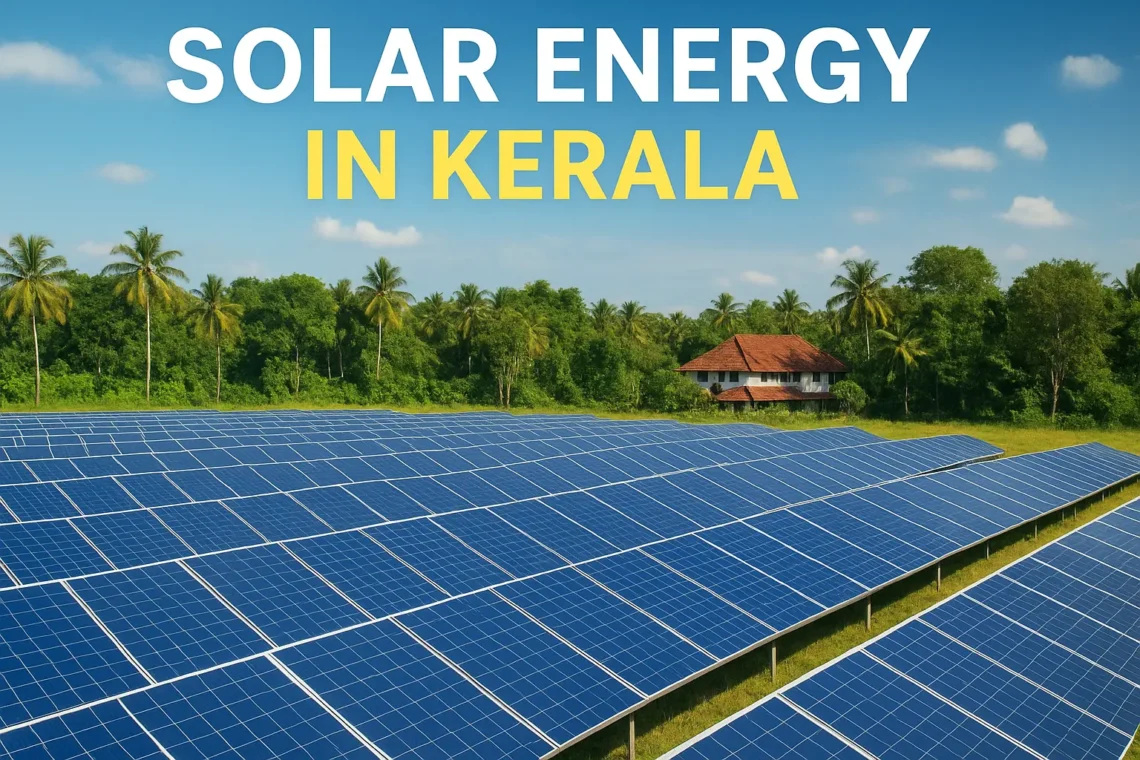

Kerala, with its lush landscapes and abundant sunlight, is rapidly emerging as a hub for solar energy adoption in India. As the state grapples with rising electricity demand and environmental concerns, solar energy presents a sustainable solution that can power homes, businesses, and public infrastructure. This article explores the current state of solar energy in Kerala, its technological developments, government policies, and the practical implications for residents and industries.
From rooftop installations in Kochi to large-scale solar farms in Palakkad, Kerala’s solar initiatives are gaining momentum. Understanding the technical, economic, and regulatory landscape is crucial for stakeholders, from policymakers to homeowners. This guide will offer a comprehensive overview, practical examples, and insights into the challenges and opportunities shaping Kerala’s solar energy sector today.
Current Solar Energy Landscape in Kerala
Growth and Adoption
Kerala’s solar energy sector has witnessed steady growth, driven by both government schemes and private investments. Rooftop solar projects and small-scale solar farms are increasingly common, particularly in urban centers like Thiruvananthapuram and Kochi.
- Installed capacity: Reported 400 MW as of 2024
- Focus areas: Residential rooftops, commercial establishments, and public buildings
- Adoption drivers: Rising electricity costs, sustainability awareness, and incentives
Example: A residential complex in Kochi installed a 50 kW rooftop system, cutting electricity bills by 40% while supplying surplus power to the grid.
Policy and Incentives
Kerala State Electricity Board (KSEB) and the Ministry of New and Renewable Energy (MNRE) provide subsidies and net-metering options to encourage solar adoption. These policies have significantly lowered entry barriers for households and businesses.
Solar Technology in Kerala
Photovoltaic Systems
Photovoltaic (PV) systems remain the backbone of solar energy generation.
- Panels: Monocrystalline and polycrystalline modules
- Efficiency: 18–22% for modern systems
- Lifespan: 25–30 years with minimal maintenance
- Grid integration: Supports net-metering for excess power
Use Case: PV systems on school rooftops in Thrissur supply power for classrooms and administrative offices, reducing dependence on grid electricity.
Solar Pumps and Microgrids
Kerala also uses solar-powered pumps and decentralized microgrids to serve remote communities.
- Reduces diesel consumption and operational costs
- Ideal for irrigation and small-scale industry
- Scalable modular setups
Example: A rural village in Wayanad now relies on a solar microgrid to power its health clinic and street lighting.
Economic Impacts
Cost and Savings
Initial installation costs have declined over the last decade, making solar more accessible.
- Residential systems: ₹50,000–₹150,000 for 3–5 kW setups
- Payback period: 4–7 years depending on usage
- Government subsidies can cover 30–40% of installation costs
Example: A medium-sized hotel in Kovalam reduced electricity costs by ₹60,000 annually after installing a 100 kW solar system.
Job Creation
The solar sector in Kerala is creating employment opportunities across manufacturing, installation, and maintenance.
- Technicians for rooftop installations
- Engineers for solar farm operations
- Sales and consulting roles
Environmental and Social Benefits
Reduced Carbon Footprint
Shifting to solar energy directly reduces greenhouse gas emissions.
- Each MW of solar power avoids ~1,500 tons of CO2 annually
- Supports Kerala’s climate action goals
Energy Access and Equity
Solar energy enhances energy access in off-grid and remote areas.
- Supports rural electrification
- Lowers energy costs for low-income households
Challenges in Solar Adoption
Technical Limitations
While solar is promising, there are technical constraints.
- Intermittency: Solar output depends on sunlight availability
- Storage: Battery systems increase cost and require maintenance
- Land use: Large-scale farms compete with agriculture
Policy and Regulatory Barriers
Despite incentives, bureaucratic processes can slow adoption.
- Net-metering approvals take time
- Grid integration issues in rural areas
Innovations and Future Prospects
Emerging Technologies
Kerala is experimenting with hybrid systems and smart solar inverters.
- Bifacial panels for higher efficiency
- AI-powered energy management
- Integration with electric vehicle charging
Example: Kochi Metro is exploring solar-powered stations to reduce operational costs.
Expansion Plans
The state aims to reach 2,000 MW of solar capacity by 2030, focusing on both rooftop and utility-scale projects.
FAQs
Q1: How much sunlight does Kerala receive for solar energy?
Kerala receives 4–5 kWh/m²/day on average, suitable for efficient solar power generation.
Q2: Can households sell excess solar power?
Yes, net-metering allows households to feed surplus electricity back into the grid.
Q3: Are there low-cost financing options for solar installations?
Many banks and government programs offer loans and subsidies to reduce upfront costs.
Q4: How long do solar panels last in Kerala’s climate?
High-quality panels last 25–30 years, even in humid tropical conditions, with minimal efficiency loss.
Q5: Is solar energy reliable during monsoon season?
While efficiency drops due to cloud cover, systems still generate partial energy, and storage solutions help maintain supply.
Conclusion
Solar energy in Kerala is no longer a niche solution—it’s a transformative force reshaping the state’s energy landscape. With technological advances, supportive policies, and growing public interest, Kerala stands poised to become a model for sustainable energy in India. As sunlight fuels progress, every rooftop and rural microgrid contributes to a cleaner, greener future.
Solar energy here isn’t just about electricity; it’s about empowering communities, reducing carbon footprints, and investing in the state’s long-term resilience.


